Article
India’s “Pause on Gold & Foreign Splurges” : What Is Really Happening?
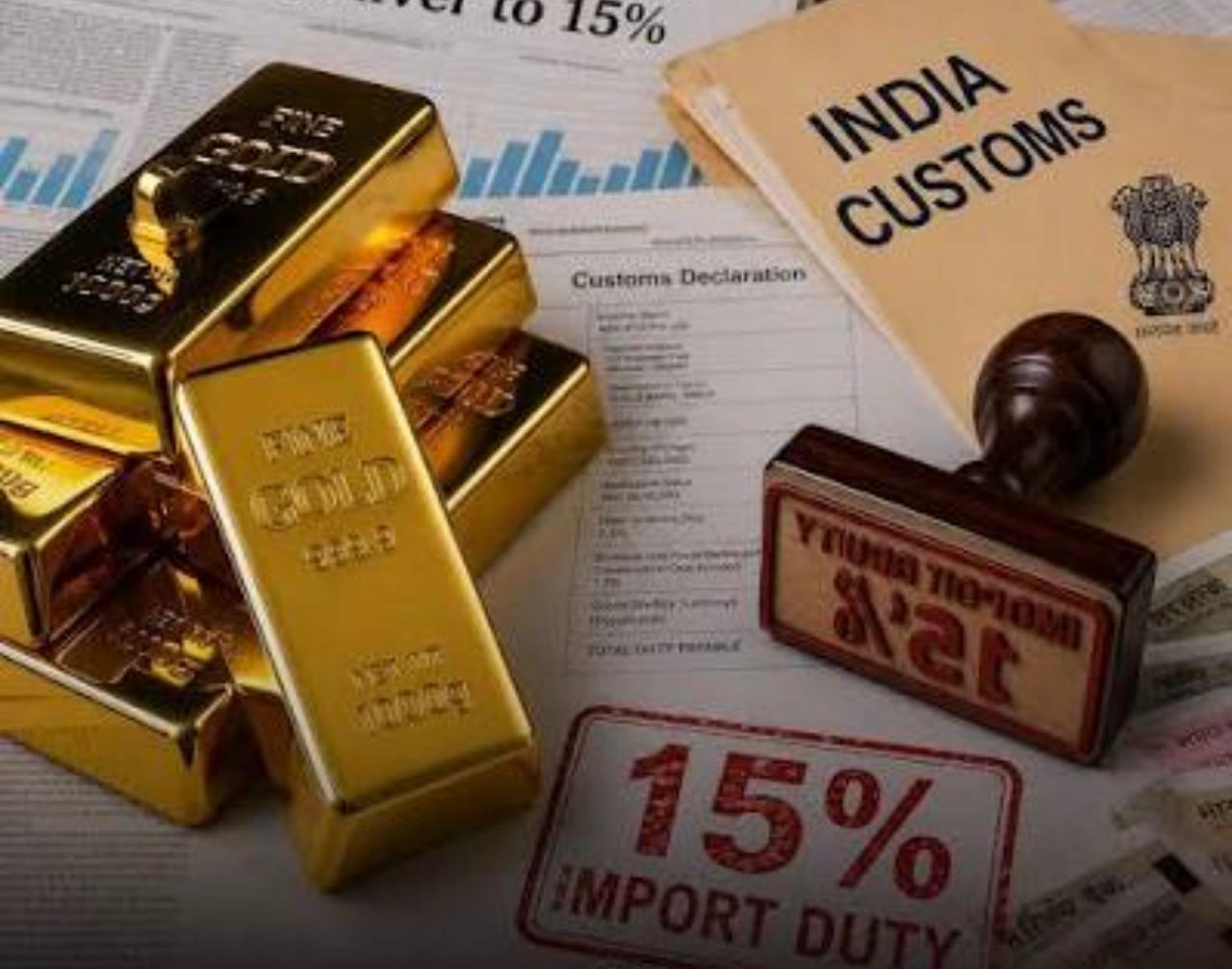
India is going through a phase where the government is subtly, and now increasingly directly, signalling restraint on non-essential foreign exchange outflows. Prime Minister Narendra Modi recently urged Indians to avoid buying gold for a year, while the government simultaneously raised gold and silver import duties sharply from 6% to 15%.
At first glance, this may sound extreme. But beneath the headlines lies a much larger macroeconomic story.
India is not “anti-gold.”
India is defending its external balance.
Why Is The Government Taking This Stance?
1. India Is Bleeding Dollars Through Imports
India imports the majority of its crude oil, gold, electronics, and several industrial inputs. When global uncertainty rises, especially due to geopolitical tensions in West Asia, oil prices rise, shipping costs rise, and the pressure on the Indian rupee increases.
At the same time, Indians continue buying imported gold aggressively.
India’s gold imports have surged dramatically in recent years, touching record levels near $72 billion.
That creates pressure on:
Foreign exchange reserves
Current account deficit (CAD)
Rupee stability
Inflation management
India’s merchandise trade deficit nearly doubled in February 2026, with strong growth in imports, particularly gold.
This is the real backdrop.
Gold Is Emotionally Indian , But Economically Costly
India is the world’s second-largest gold consumer.
For Indian households, gold is:
Security
Tradition
Status
Emergency savings
Wedding culture
Intergenerational wealth
But from a macroeconomic lens, gold is also:
A non-productive imported asset
A major drain on foreign exchange
A contributor to CAD stress
Unlike factories, infrastructure, or technology imports, gold does not directly increase productive economic capacity.
So when the government says:
“Reduce gold buying for a year,”
What it really means is:
“Helps India preserve dollars during a vulnerable global phase.”
Why The Sudden Duty Hike To 15%?
The government increased effective import duties on gold and silver from 6% to 15%.
This is not merely taxation.
It is a macroeconomic tool.
The objectives are:The message is clear:
India wants to conserve dollars before the global situation worsens further.
Government Concern | Intended Outcome |
Rising gold imports | Reduce demand |
Weakening rupee | Support currency |
Forex reserve pressure | Conserve dollars |
Widening trade deficit | Reduce non-essential imports |
Global geopolitical risks | Build economic resilience |
Why Is Foreign Travel Also Being Discussed?
While there is no formal ban or restriction on foreign travel, the broader tone from policymakers reflects “economic nationalism” and cautious spending.
Foreign tourism means:
Indians spending dollars abroad
Outflow from forex reserves
Luxury consumption during global uncertainty
When policymakers talk about “austerity” or “national interest,” they are essentially asking citizens and corporates to avoid unnecessary forex-heavy consumption temporarily.
This is psychologically similar to how nations behave during periods of external stress.
Is India In Trouble?
Not necessarily.
But India is clearly preparing defensively.
There are three important realities:
1. India’s growth story remains strong
Domestic consumption, manufacturing push, infrastructure spending, and digitisation remain powerful structural themes.
2. Global risks are elevated
The Iran-West Asia situation, oil volatility, shipping disruptions, and global inflation risks are real concerns.
3. Policymakers are acting early
This is actually important.
India is trying to manage the situation before it becomes a full-blown external crisis.
That is prudent policymaking.
What Can We Expect Next?
Possible Near-Term Outcomes
1. Gold Prices In India May Stay Elevated
Higher duties + global uncertainty + safe-haven demand could keep domestic gold prices elevated.
2. Luxury Consumption May Slow
Imported luxury categories may see moderation:
High-end jewellery
Overseas travel
Imported discretionary spending
3. Equities Could See Volatility
If oil prices remain high:
Inflation pressures rise
RBI flexibility reduces
Corporate margins get squeezed
Markets may become more selective rather than broadly bullish.
4. Domestic Themes May Outperform
India-centric sectors may continue to remain relatively stronger:
Infrastructure
Manufacturing
Defence
Power
Domestic financialisation
Renewable energy
The Honest Look Ahead For Indian Markets
The truth is:
India’s long-term structural story is still intact.
But the easy-money phase may be behind us temporarily.
The next phase may reward:
patience,
quality businesses,
disciplined capital allocation,
and realistic expectations.
We may not see a straight-line bull market from here.
Instead, we may enter a market phase where:
earnings matter more,
valuations correct,
liquidity becomes selective,
and global macro risks influence sentiment much more heavily.
That is healthy.
Excess optimism often creates fragile markets.
ARKA’s View
At ARKA, we believe this phase should not be viewed with panic, but with perspective.
The government’s messaging around gold and foreign spending is not about restricting freedom. It is about preserving macroeconomic stability during a globally uncertain cycle.
India today is far stronger than it was during previous external crises because:
forex reserves are larger,
banking systems are healthier,
domestic participation in markets is deeper,
and policy response is faster.
However, investors must understand that global cycles matter.
This is not a time for:
blind speculation,
excessive leverage,
or emotional investing.
This is a time for:
balanced asset allocation,
liquidity discipline,
diversified portfolios,
and owning productive assets over emotional assets.
Gold still has a place in portfolios, but perhaps not as blind accumulation at any price.
The coming years may reward investors who combine optimism about India with realism about the world.
And that balance, perhaps, is what India itself is trying to achieve today.
Related Articles