Article
Retirement Is No Longer an Exit. It’s a Re-design.
For decades, retirement meant one thing: You worked for 30 - 40 years, accumulated enough money, and then stopped.
For decades, retirement meant one thing:
You worked for 30 - 40 years, accumulated enough money, and then stopped.
Stopped working.
Stopped striving.
Stopped being “in the game.”
That definition no longer fits the world we live in.
People are living longer, healthier lives. Careers are non-linear. Identity is more fluid. Technology keeps us connected, relevant, and mentally engaged far beyond traditional retirement age.
Yet, our thinking around retirement is still stuck in an old framework.
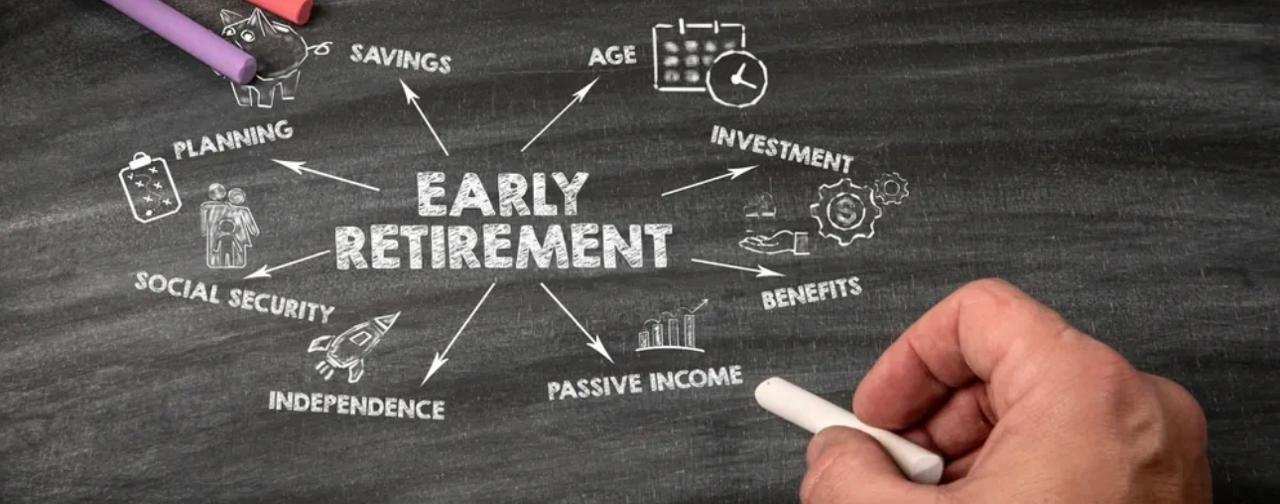
Today, everyone is chasing FIRE, Financial Independence, Retire Early.
Spreadsheets are full. SIPs are automated. Targets are set.
And yet, a question rarely gets asked:
Is retirement just a number in your bank account, or is it a life you’re actually prepared to live?
Because here’s the uncomfortable truth:
Many people reach financial independence and still feel lost, restless, or irrelevant.
That’s because retirement is no longer an end state.
It is a transition, psychological, social, and deeply personal.
And if we don’t prepare for those dimensions, no corpus, however large, can save us.
There are three aspects of retirement we must think deeply about, long before the “number” is achieved.
1. Are You Retiring From Something, or Retiring To Something?
Most people are crystal clear about what they want to escape:
Deadlines
Office politics
Endless meetings
Burnout
Lack of control over time
But ask them what they want to move toward, and the answers get vague.
“Travel.”
“Spend time with family.”
“Figure it out.”
Here’s the problem:
A two-week empty calendar feels like a holiday.
Two months of it can feel like a prison.
Human beings need structure, purpose, and progress. Work, despite its flaws, provides all three. When it suddenly disappears, the void is real.
Retirement done well means consciously designing:
A daily rhythm
A weekly anchor
A longer-term project or pursuit
This could be entrepreneurship, mentoring, teaching, building something small, social work, investing time in fitness, passion for a certain sport, art, community, or learning. The specifics don’t matter.
What matters is this:
You are not just stopping work. You are starting a different kind of work.
If you don’t consciously design what you’re retiring to, retirement will design itself, and not always kindly.
2. Identity: Who Are You Without Your Title?
For decades, our identity is simple:
“I’m a CEO.”
“I’m a banker.”
“I’m a consultant.”
“I run a business.”
Our job title becomes our introduction, our social currency, and often our self-worth.
The danger?
When the title goes, so does the mirror we used to recognise ourselves.
This is why many retired professionals:
Feel invisible
Miss being needed
Seek validation through nostalgia
Or cling to relevance in unhealthy ways
The deeper question retirement forces us to confront is uncomfortable but necessary:
Who am I, when I’m not what I do?
Those who struggle most in retirement are often those who:
Were exceptional at their jobs
Drew most of their self-esteem from professional success
Never invested in an identity beyond work
Those who thrive are people who:
See work as one chapter, not the whole book
Have interests that existed before success
Are curious learners, not status holders
Retirement is not the loss of identity.
It’s a test of whether you ever had one beyond your designation.
3. Stepping Out of the Bubble: Growth, Humility, and New Circles
At the peak of a career, most of us live in a bubble.
People around us:
Think like us
Agree with us
Defer to us
Come from similar socioeconomic or professional backgrounds
Over time, this narrows perspective. Authority replaces curiosity. Experience replaces openness.
Retirement bursts that bubble.
Suddenly:
No one cares about your past achievements
Younger people think differently
Technology feels foreign
Conversations move beyond your comfort zone
This is where the final test of retirement appears:
Do you still have a growth mindset, or only a résumé?
The happiest retirees are not those who “know everything,” but those who:
Are willing to learn from people younger than them
Listen without correcting
Engage with ideas that challenge their worldview
Find dignity in being a beginner again
Humility is not losing relevance.
It’s choosing growth over ego.
Rethinking FIRE: Financial Independence Is Necessary, Not Sufficient
Money matters. Without question.
But financial independence only buys you time.
It doesn’t tell you how to live in it.
A successful retirement sits at the intersection of:
Financial readiness
Psychological preparedness
Social and intellectual continuity
Chasing FIRE without preparing for life after work is like building a runway and forgetting to decide where the plane should go.
The Real Retirement Question
So before asking,
“How much money do I need to retire?”
Ask instead:
What am I retiring to?
Who am I without my title?
Am I still open to learning from the world around me?
Because in the end, retirement is no longer about stopping work early.
It’s about continuing to live meaningfully, long after the paycheque stops.
Related Articles