Article
Debt Management: An Indian Household Perspective
In most Indian homes, debt is emotional. A home loan is considered “good debt,” gold loans feel safe, education loans are justified, and credit cards are treated as short-term convenience.
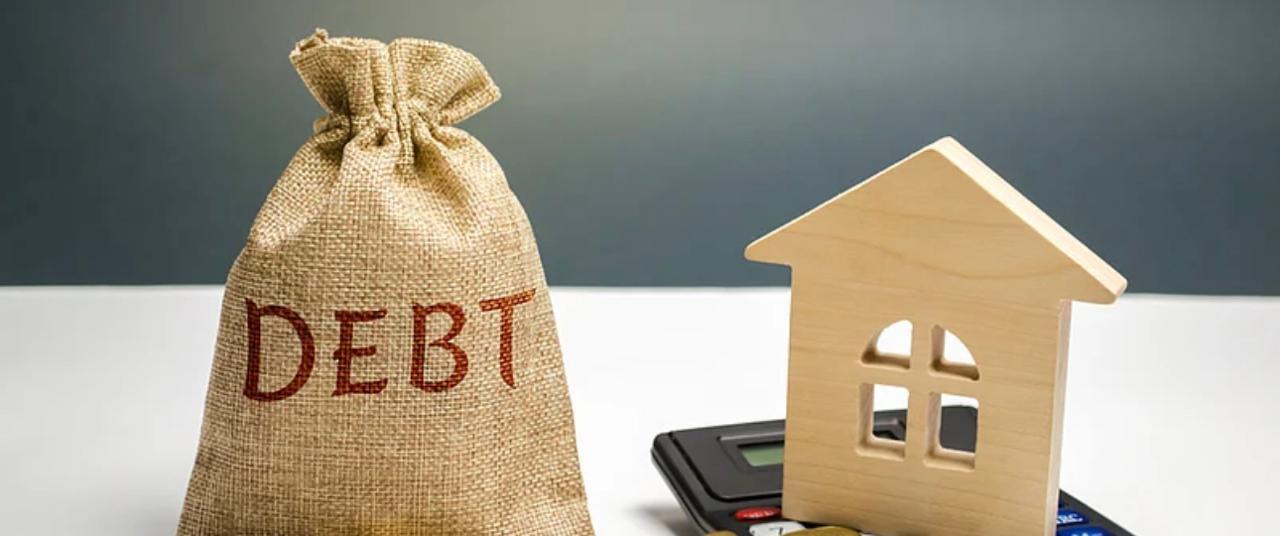
In most Indian homes, debt is emotional.
A home loan is considered “good debt,” gold loans feel safe, education loans are justified, and credit cards are treated as short-term convenience. Yet, quietly, high-interest debt has become one of the biggest wealth leakages for Indian families.
With interest rates staying elevated and discussions around future rate cuts in India, this is an ideal time to pause and rework how families borrow, repay, and manage credit.
1. Understanding the True Cost of Debt in Indian Households
Most families focus on the EMI, not the interest rate or tenure.
High-cost debt in India often includes:
Credit cards (36–48% annualised)
Personal loans (12–24%)
App-based instant loans and BNPL products
Gold loans with frequent renewals
The first step is simple:
List all loans and cards
Note interest rates, outstanding balances, and EMIs
Separate productive debt from consumption-driven debt
This exercise alone often changes behaviour.
2. A Realistic Indian Family Case Study
The Sharma Family (Names Changed) - who we engaged with recently
Profile
Barun (42): Salaried professional in a private company
Neha (38): Freelance designer with variable income
Two school-going children
Monthly household income: is ₹1.7 lakh
Existing Loans
Loan Type | Outstanding | Interest Rate |
|---|---|---|
Home Loan | ₹48 lakh | 8.6% |
Car Loan | ₹6.5 lakh | 9.8% |
Personal Loan | ₹4 lakh | 15.5% |
Credit Cards (2) | ₹2.2 lakh | 36% |
Despite earning well, the family constantly felt “cash-strapped.”
3. Choosing the Right Repayment Strategy
After mapping their loans, the Sharma's realised something important:
Their credit card and personal loan EMIs were consuming surplus cash that could otherwise go into savings.
They chose a hybrid approach:
Step 1: Debt Avalanche for High-Interest Loans
Focused aggressively on clearing credit card balances first
Stopped revolving credit; paid more than minimum due
Used annual bonus partially to reduce card debt
Result:
Credit card debt cleared in 8 months, saving nearly ₹1.1 lakh in future interest.
Step 2: Debt Snowball for Motivation
Once cards were closed:
Personal loan became the next target
Increased EMI after credit card closure
Cleared the personal loan 14 months earlier than scheduled
Result:
Monthly cash flow improved by ₹22,000.
4. Credit Score: An Invisible Win
As a side effect of disciplined repayment:
Credit utilisation dropped below 30%
All payments were on time
Credit score improved from 712 to 782
This gave the family leverage.
When they approached their bank:
They negotiated a home loan rate reduction
Chose to keep EMI the same and reduce tenure instead
Outcome:
Home loan tenure reduced by nearly 3 years.
5. Reviewing Borrowing Before Interest Rates Fall
Instead of taking a tempting home loan top-up, the family asked:
Do we need more debt, or better control?
Will lower rates improve cash flow or lifestyle inflation?
Their decision:
No new loans
Channel surplus into emergency fund and long-term investments
Keep borrowing strictly goal-based
This restraint was the turning point.
6. The Bigger Lesson for Indian Families
The Sharma family didn’t increase income dramatically.
They didn’t chase market returns.
They simply:
Prioritised high-interest debt
Improved credit discipline
Used falling rates to exit faster, not borrow more
Within three years:
Stress reduced
Savings rate improved
Financial conversations at home became calmer
For Indian households, debt management isn’t about avoiding loans, it’s about respecting them.
Well-managed debt supports growth. Poorly managed debt quietly erodes wealth.
As interest rates peak and potentially turn, this is the moment for families to:
Clean up balance sheets
Strengthen credit profiles
Borrow only with intention
Because in India, true financial stability is built not by how much you earn, but by how wisely you manage what you owe.
Related Articles