Article
India - EU Trade Pact : The “Mother of All Deals” and Why It Matters
When leaders from The European Union and India called the latest India - EU Free Trade Agreement negotiations the “mother of all trade deals”, it wasn’t hyperbole.
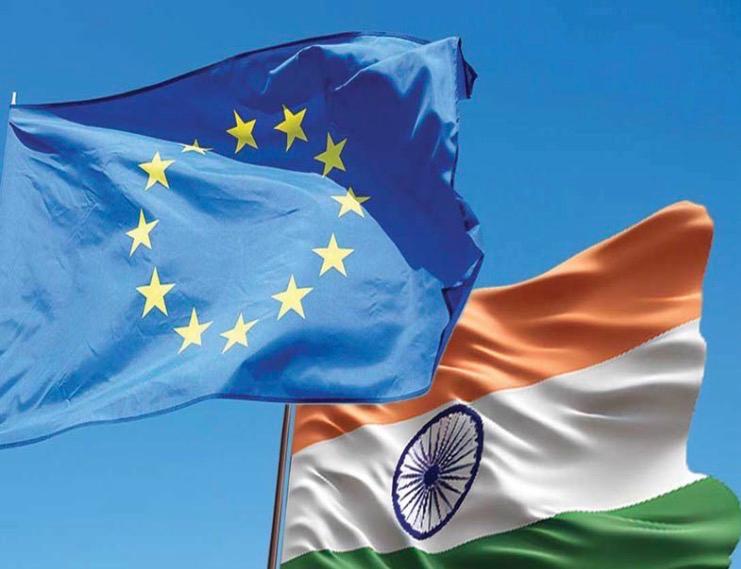
When leaders from The European Union and India called the latest India - EU Free Trade Agreement negotiations the “mother of all trade deals”, it wasn’t hyperbole.
This is not just another tariff-cutting exercise.
It is a strategic, economic, and geopolitical reset between two of the world’s largest economic blocs.
If concluded as envisioned, this agreement will shape trade flows, supply chains, investment decisions, and corporate strategies for decades to come. For India, it signals deeper integration into global value chains. For Europe, it opens access to one of the fastest-growing large economies in the world.
But what does this deal actually mean?
What will it look like in practice?
And most importantly , what does it mean for Indian investors?
Why This Deal Is Being Called the “Mother of All Deals”
At its core, the India–EU trade agreement is massive because of scale and scope.
Together, India and the EU represent:
Nearly 2 billion people
Roughly one-quarter of global GDP
A significant share of global trade, technology, and manufacturing capacity
Negotiations cover far more than goods. They span:
Tariffs and market access
Services and digital trade
Investment protection
Intellectual property
Sustainability, climate, and labour standards
In other words, this is not just about cheaper exports or imports. It is about how India and Europe choose to do business with each other in a changing world.
What the Deal Will Likely Look Like
1. Gradual but Meaningful Tariff Reductions
The heart of the agreement is tariff liberalisation, but not overnight.
India is expected to progressively reduce tariffs on selected European imports such as automobiles, industrial machinery, chemicals, wines and spirits.
The EU, in turn, is expected to lower or eliminate duties on a large share of Indian exports including textiles, garments, leather, engineering goods, gems and jewellery, and marine products.
Importantly, this will be phased over several years, allowing domestic industries time to adjust.
Sensitive sectors, particularly agriculture, are likely to see calibrated protection rather than blanket liberalisation.
2. Services, Investment, and Regulation Take Centre Stage
For India, services matter as much as goods.
The agreement aims to:
Improve market access for IT, professional services, consulting, and digital services
Offer greater investment clarity and protection for cross-border capital
Streamline regulations, certifications, and customs procedures
This is crucial because modern trade is increasingly about data, standards, and trust, not just containers and ports.
3. Sustainability Is Not Optional
Unlike older trade deals, this one places sustainability front and centre.
Environmental standards, labour norms, and climate commitments form a key part of the framework. Europe’s carbon and ESG standards will remain intact, meaning Indian exporters will need to upgrade processes, not just pricing, to stay competitive.
This creates both pressure and opportunity.
What This Means for India
A Stronger Export Engine
For India, the biggest upside is exports.
Lower tariffs and smoother access to European markets can significantly benefit:
Textiles and apparel
Leather and footwear
Gems and jewellery
Engineering goods and auto components
Chemicals and speciality manufacturing
These sectors are labour-intensive and globally competitive, making them powerful job creators.
Manufacturing Gets a Push - But With Competition
Deeper access to European technology, machinery, and capital can:
Improve manufacturing efficiency
Integrate Indian firms into global supply chains
Support the broader “Make in India” ambition
At the same time, domestic industries, especially in automobiles and high-end manufacturing , will face stronger competition. This will reward scale, quality, and innovation, not protection.
Strategic and Geopolitical Significance
Beyond economics, the deal strengthens India’s position as:
A trusted global trade partner
An alternative manufacturing hub amid global supply-chain diversification
A key player balancing global economic power centres
Trade, here, is also a strategy.
What This Means for Europe
For Europe, India represents:
A vast consumer market
A young, growing workforce
Long-term demand for infrastructure, technology, healthcare, and mobility
European companies stand to gain from improved access to India’s markets in:
Automobiles and EV ecosystems
Industrial machinery
Pharmaceuticals and chemicals
Clean energy and sustainability solutions
The deal also helps Europe diversify trade relationships beyond traditional partners.
What It Means for Indian Investors
This is where the narrative becomes interesting.
1. Long-Term Winners, Not Short-Term Trades
Trade agreements rarely create instant stock-market winners. Their impact is structural and gradual.
Indian companies that could benefit over time include:
Export-oriented manufacturers with EU exposure
Firms integrated into global supply chains
Businesses that already meet high quality, ESG, and compliance standards
The market will reward preparedness, not announcements.
2. Sectoral Tailwinds and Headwinds
Potential tailwinds:
Textiles and apparel exporters
Engineering and capital goods
Specialty chemicals
Gems and jewellery
Potential pressure points:
Domestic auto and auto-ancillary players facing EU competition
Companies reliant on protectionist pricing
Firms slow to adapt to environmental and compliance standards
For investors, this is less about index moves and more about stock selection.
3. A Signal for Foreign Capital
Large, credible trade deals improve:
Policy confidence
Long-term capital inflows
India’s positioning in global portfolios
Even before full implementation, the deal strengthens India’s narrative as a reliable, reform-oriented economy.
A Word of Caution - The Fine Print Still Matters
While the deal is being celebrated, it is important to remember:
Final tariff schedules are still to be published
Ratification processes remain
Implementation will be phased, not immediate
Markets often price in optimism early. Real winners emerge only after execution.
The India - EU trade pact is not just about cheaper goods or higher exports.
It is about:
How India integrates into the global economy
How Europe engages with emerging growth markets
How businesses and investors think in decades, not quarters
Calling it the “mother of all deals” makes sense, not because it changes everything overnight, but because it quietly reshapes the future.
For investors, the message is simple:
This is not a trading event. It’s a structural shift.
And structural shifts reward patience, perspective, and preparation.
Sector-Wise Stock Themes - Who Could Benefit, Who Faces Pressure
Sector | Why the India–EU Deal Matters | Investor Theme to Watch |
Textiles & Apparel | EU tariff reductions improve price competitiveness for Indian exporters; Europe is a large, stable demand market | Export-led growth, scale players, integrated textile manufacturers |
Gems & Jewellery | Lower duties can significantly boost exports; India already dominates cutting and polishing | Formalisation, organised players, EU-facing exporters |
Engineering Goods & Capital Goods | Easier EU market access + deeper supply-chain integration | Companies embedded in global value chains, high compliance standards |
Auto Components | Opportunities as EU OEMs diversify supply chains; pressure on cost and quality | Tier-1 suppliers, export-oriented ancillaries, EV-linked components |
Automobiles (Passenger & Luxury) | Tariff cuts increase competition from EU brands in India | Margin pressure for domestic players; premiumization trend |
Chemicals & Specialty Chemicals | EU demand + China+1 sourcing benefits Indian producers | Specialty, compliance-ready manufacturers, long-term contracts |
Pharmaceuticals & Life Sciences | Regulatory alignment may ease access over time | API exporters, niche formulations, quality-focused players |
IT Services & Digital Services | Improved services access and data frameworks | EU-focused IT services, engineering services, digital compliance |
Logistics & Ports | Higher trade volumes between India and Europe | Trade facilitation, export infrastructure beneficiaries |
Renewable Energy & Clean Tech | Sustainability clauses + EU climate priorities | Energy transition plays, green manufacturing, ESG leaders |
Consumer Goods (Selective) | Rising exports + higher standards exposure | Premiumization, brand-led exporters |
Agriculture & Dairy | Largely protected; limited liberalisation | Neutral to limited impact in near term |
How You Should Read This Table
This is not about short-term stock pops , it’s about structural tailwinds.
Companies that already meet EU quality, ESG, and compliance standards stand to benefit first.
Sectors facing competition will reward efficiency, branding, and innovation, not protection.
The biggest winners emerge 2–5 years post-implementation, not at announcement.
Related Articles