Article
The Rupee at an All-Time Low. Here’s How We Are Looking at it as Money Managers
Markets move in cycles. Headlines move faster.
Markets move in cycles. Headlines move faster.
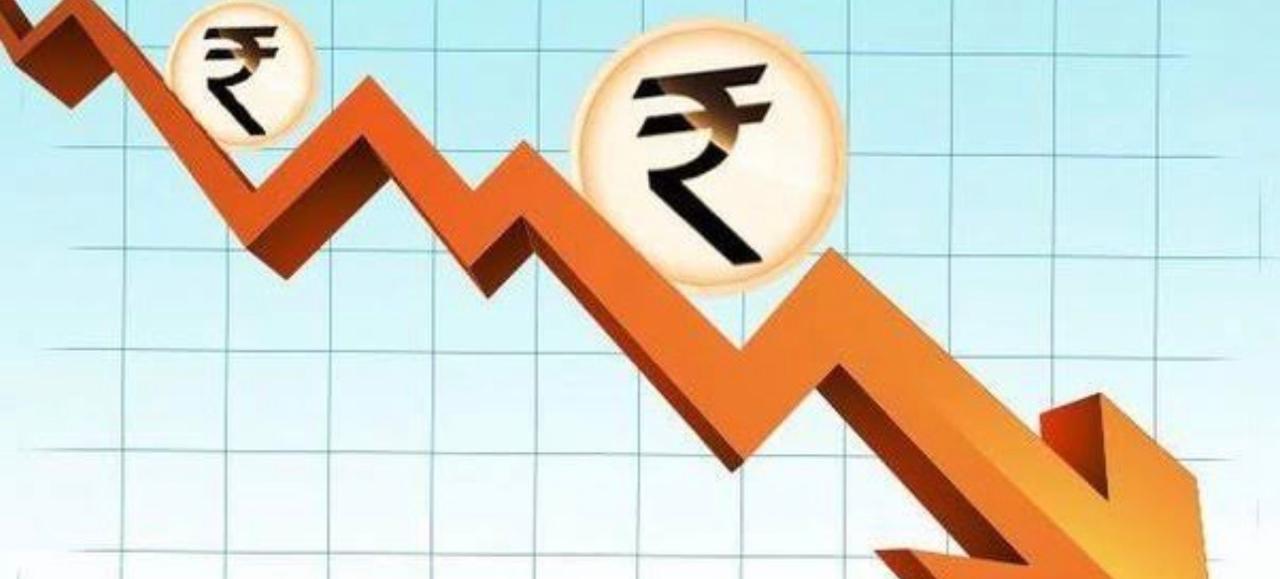
Every time the rupee touches a new low against the dollar, the noise level rises. We’ve learned over the years that reacting to noise is expensive, emotionally and financially.
So here’s a calmer, ARKa’s lens on what’s happening.
First, this is not a “weak India” moment.
It’s a strong dollar phase.
When US rates stay high, capital flows back to dollar assets. That pressure shows up across emerging markets. India is not an exception, and that distinction matters.
Second, the rupee depreciating is not new.
Over decades, it has moved lower in a controlled, intentional way. That’s how economies with higher inflation maintain export competitiveness. It’s not a policy failure; it’s macro reality.
Third, a weaker rupee isn’t automatically bad business.
Yes, imports get costlier and margins get tested.
But exporters, IT services, global-facing companies, and remittance flows benefit. In our experience, currency moves don’t create problems, unpreparedness does.
Which brings us to the role of the RBI.
The central bank’s job isn’t to defend a number on a screen.
It’s to ensure stability, confidence, and orderly markets.
That means:
Smoothing volatility, not fixing exchange rates
Using reserves as insurance, not ammunition
Communicating clearly and consistently
And equally important, this is where founders and CEOs need to take responsibility, currency risk is not something policy can solve for you. Hedging, balance sheet discipline, and long-term thinking matter.
The bigger picture is this:
No serious economy is defined by a single exchange rate level.
India’s growth story rests on productivity, demographics, entrepreneurship, and capital formation, not on where the rupee trades on any given day.
As a founder, I’ve learned one thing the hard way:
Overreacting to short-term signals often does more damage than the signal itself.
The rupee hitting a new low is information.
Panic is a choice.
Perspective, discipline, and patience, those are leadership decisions.
Related Articles